Cupping
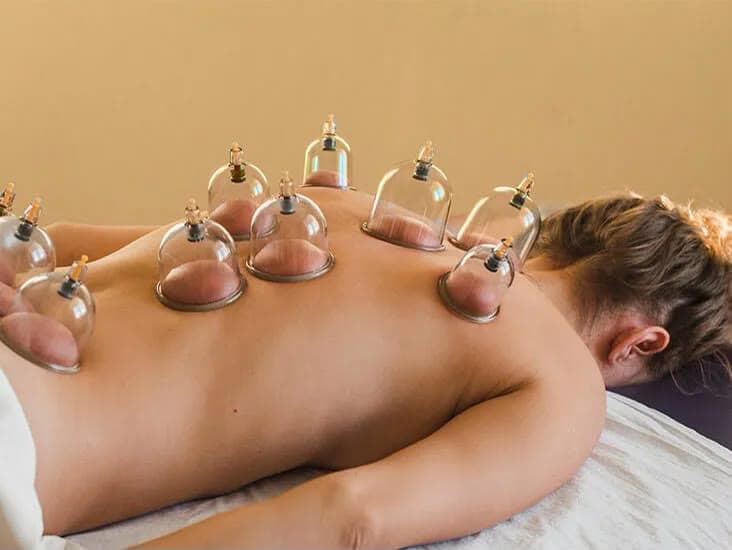
Cupping uses suction cups on the skin to gently lift and decompress the muscle and soft tissue underneath. As part of physiotherapy, it can help ease muscle tightness and discomfort, and is combined with hands-on techniques and exercise to support your recovery. In physiotherapy we use dry cupping: there are no needles and no cuts to the skin. Cupping is available at our Pakuranga clinic in East Auckland for ACC and private patients, where it suits your treatment plan.
What we help with
Common conditions and situations we see with cupping.
- Muscle tightness and tension in the back, neck and shoulders
- Localised muscular discomfort and trigger points
- Restricted, stiff-feeling tissue that limits movement
- Muscle soreness from sport, training or physical work
- Desk-related upper back and shoulder tension
- An add-on to a broader rehabilitation plan
What to expect
A clear, supportive process from your first visit through to recovery.
Check suitability
We assess your symptoms and medical history first to make sure cupping is appropriate for you and for the area we're treating.
The treatment
Cups are placed on the skin to create gentle suction. They're either left in place for a few minutes or moved slowly over the muscle with oil. You'll feel a pulling or tight sensation, which shouldn't be painful.
Afterwards
It's common to have temporary circular marks for a few days. Some people feel mild soreness, similar to after a massage, which settles within a day or two.
Part of a plan
Cupping is combined with other hands-on treatment and exercise rather than used in isolation, so the improvement in movement lasts.
Our approach
We use cupping selectively as one part of a broader treatment plan, alongside manual therapy and exercise, where it's likely to help. Research suggests cupping may give short-term relief from muscle pain and tightness, for example in the neck and lower back, but the evidence is still limited. That's why we never rely on it alone. We use the window of easier movement it can give to get you moving and strengthening, which is what brings lasting change. If cupping isn't right for you, we'll use other techniques that suit you better.
Cupping — frequently asked questions
What is cupping therapy?
Does cupping hurt?
Do the cupping marks mean I'm bruised?
Who shouldn't have cupping?
Is cupping used on its own?
Can I get cupping under ACC?
Related services
Physiotherapy
Assessment and treatment for back, neck, shoulder, knee, hip, ankle and other joint or muscle problems.
Sports Rehabilitation
Recover from injury and rebuild strength, mobility and confidence to return to your sport safely.
Post-Surgical Rehabilitation
Structured exercise and treatment to restore movement, strength and function after surgery.
Ready to get started?
Book online in a couple of minutes, or get in touch and we’ll help you find the right appointment.
Book an appointment