
EDS & Hypermobility
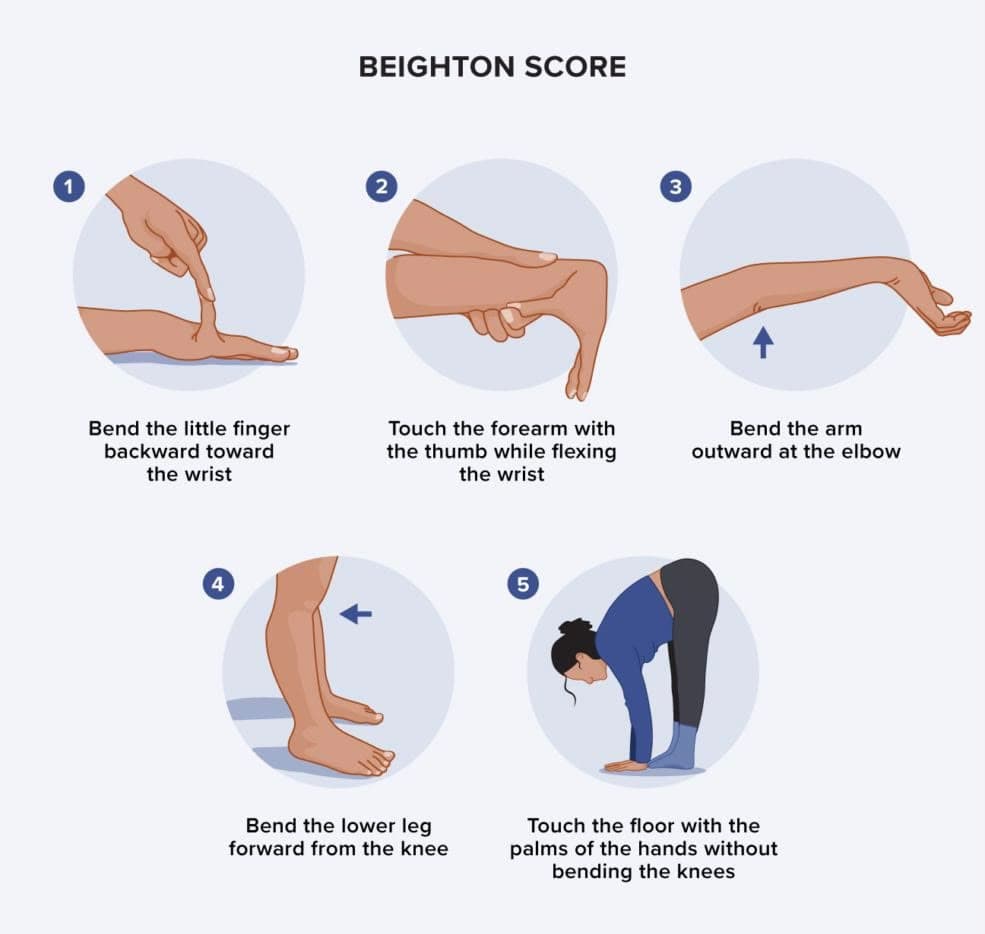
Living with Ehlers-Danlos Syndrome (EDS) or hypermobility can mean pain, joint instability, fatigue and a sense that your body is unpredictable. Our physiotherapy focuses on building strength, stability and movement control so you can manage daily activities and exercise with more confidence.
What we help with
Common conditions and situations we see with eds & hypermobility.
- Hypermobility spectrum disorder (HSD)
- Ehlers-Danlos Syndrome (EDS)
- Recurrent joint subluxations or instability
- Widespread or persistent joint pain
- Difficulty building or maintaining strength
- Fatigue and reduced exercise tolerance
What to expect
A clear, supportive process from your first visit through to recovery.
Understand your body
We assess your movement, stability and symptoms, and take time to understand how hypermobility affects your day.
Build stability
We focus on control and strength around your joints, so they feel more supported and less unpredictable.
Pace and progress
Programmes are graded carefully to build capacity without triggering flare-ups, respecting fatigue and recovery.
Long-term self-management
We help you build the knowledge and habits to manage symptoms and stay active over the long term.
Our approach
Managing hypermobility is about consistency and control rather than aggressive treatment. We use carefully graded strengthening, stability and movement-control work, paced to your tolerance, alongside education so you understand your body and can manage symptoms confidently between sessions.
EDS & Hypermobility — frequently asked questions
Can physiotherapy help with hypermobility and EDS?
Will exercise make my joints worse?
Do I need a diagnosis before coming in?
Guides from our physiotherapist
Practical reading on eds & hypermobility, written for patients.
Related services
Physiotherapy
Assessment and treatment for back, neck, shoulder, knee, hip, ankle and other joint or muscle problems.
Sports Rehabilitation
Recover from injury and rebuild strength, mobility and confidence to return to your sport safely.
Post-Surgical Rehabilitation
Structured exercise and treatment to restore movement, strength and function after surgery.
Ready to get started?
Book online in a couple of minutes, or get in touch and we’ll help you find the right appointment.
Book an appointment